Does roof moss cause damage?
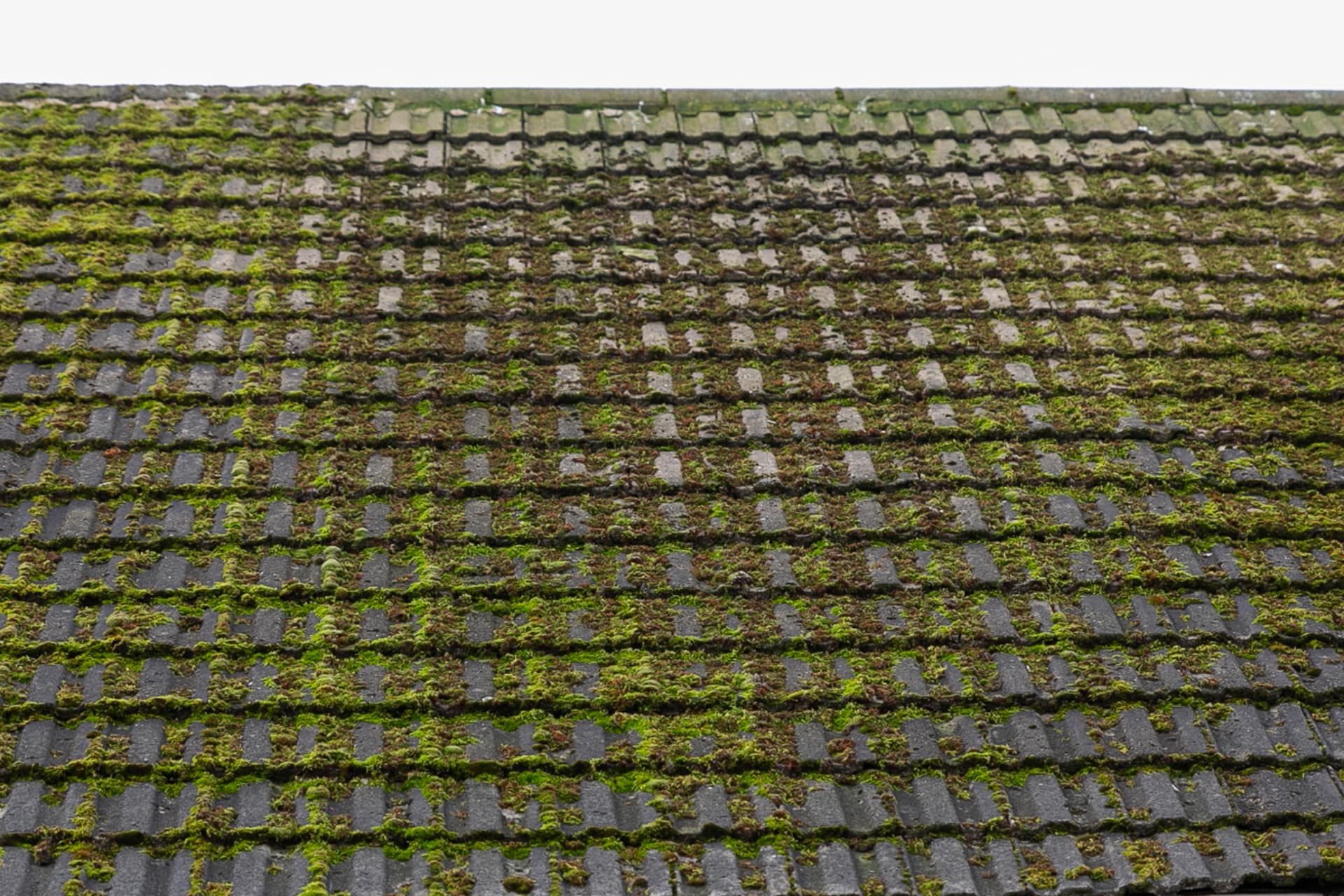
Moss itself does not eat through a tile, but it keeps the surface permanently wet, which accelerates frost damage on older concrete and clay. The bigger practical problem is the debris: moss constantly sheds into gutters, and blocked gutters cause damp walls.
How moss is removed
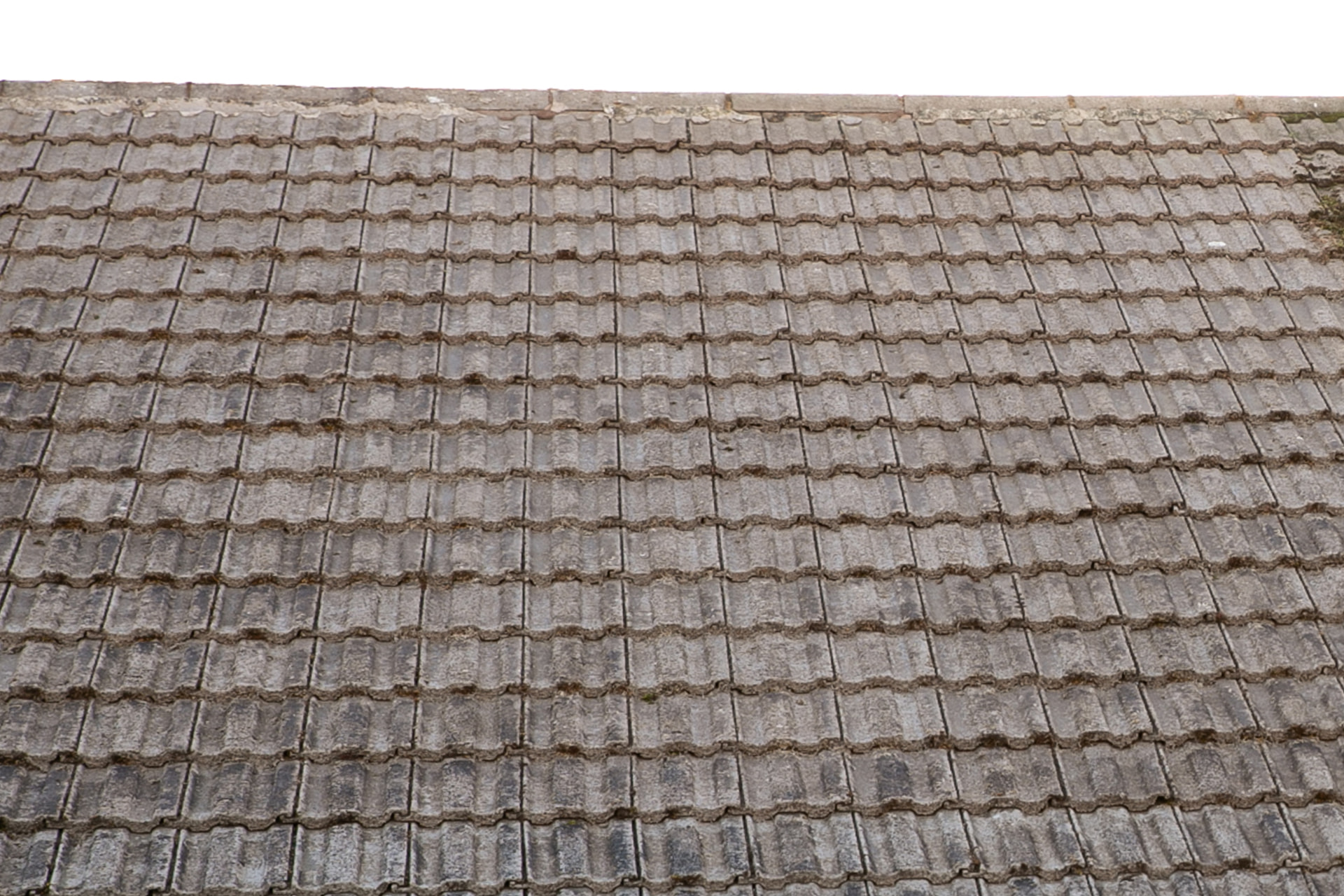
Moss is lifted using scraping tools shaped to the tile profile, so the tool follows the tile rather than scouring it. The roof is then treated with sodium hypochlorite and biocide, which continue to break down remaining growth and slow its return.
Loose material is cleared from the roof, gutters and ground before we leave.
When it is worth doing
If you can see clumps of moss on the tiles from the ground, are regularly picking moss out of the gutters, or are preparing to sell, it is worth having the roof looked at.
Damaged tiles that show up while the moss comes off
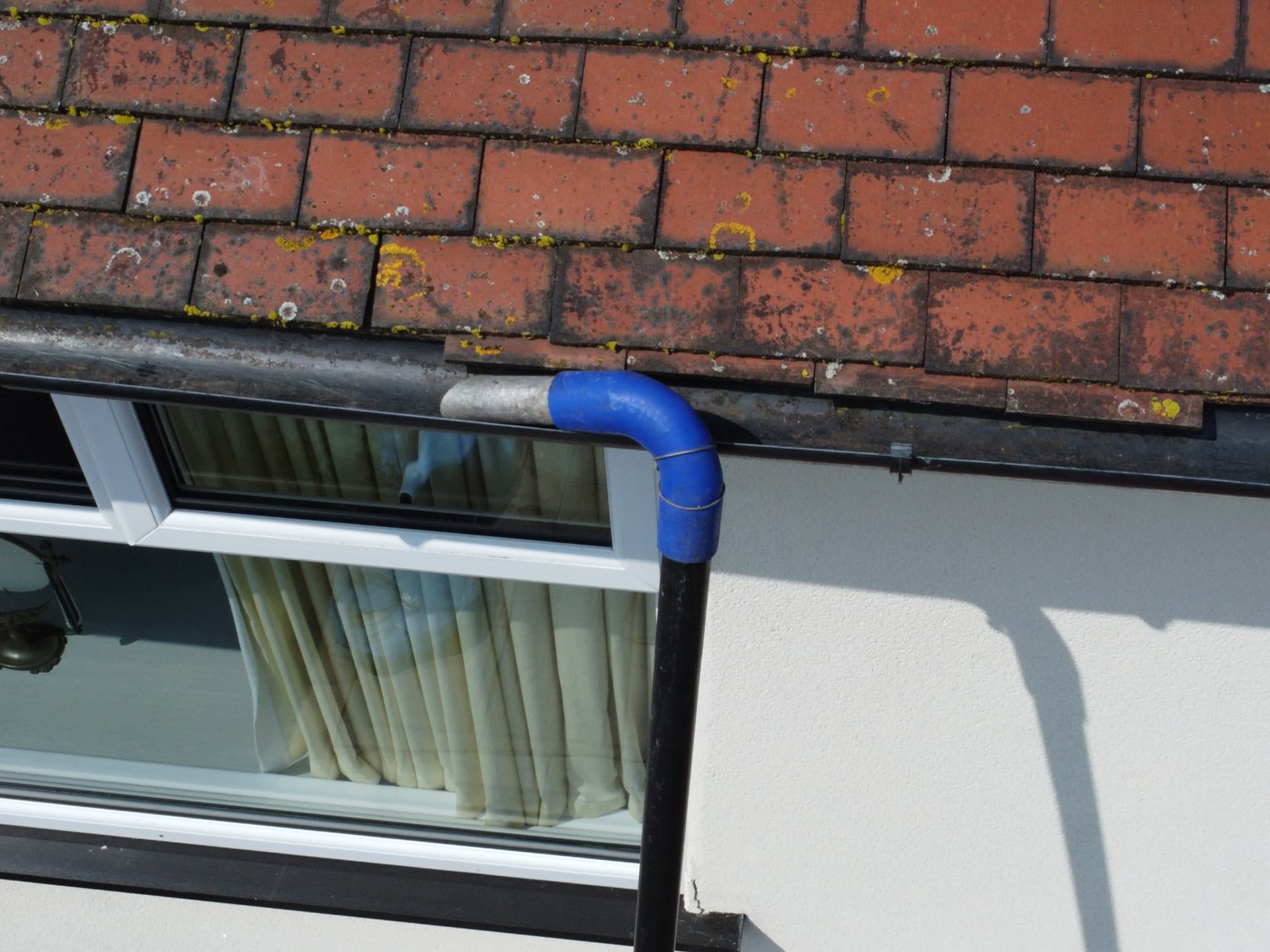
Once moss is lifted off a roof, tiles that were hidden underneath it become visible. This is not a formal inspection and nothing can be promised in advance, but where a damaged, cracked or missing tile is obviously there, it is pointed out rather than left unmentioned.
Where the repair is a minor one and within what Sovereign takes on, it can be discussed with you and, if you want it done, sorted while the access is already set up. Anything larger belongs with a roofer.
Roof moss removal in Blackpool, Cleveleys and Thornton-Cleveleys
Moss is the single most common roof complaint locally. Coastal damp keeps pitches wet near the sea, and mature trees on the inland Thornton side keep them shaded, so growth establishes readily across the whole township and into Blackpool.
Because Sovereign is based in Cleveleys, a local roof can be assessed properly before a method is chosen. Moss removal also travels further across the Fylde Coast and up to around 50 miles from base for suitable work.