
Why High-Pressure Roof Cleaning Can Cause Damage
“Can pressure washing damage a roof?” is one of the most common questions homeowners ask before booking a roof clean, and the honest answer is that it can — in some circumstances, on some roofs, depending on how it is done.
This page explains what high-pressure cleaning actually does to the different parts of a roof, what decides the level of risk, and what a more roof-conscious approach looks like. It is written to help you ask better questions of whoever you employ, not to frighten you.
What can pressure washing do to a roof?
A roof is not simply a collection of tiles sitting on a house. It is a system, and each part of it has a job to do. Cleaning acts on all of them at once, whether that was the intention or not.
- Roof tiles or slates
- Tile laps and the way water is shed between them
- Nails, clips and other fixings
- Battens beneath the covering
- Underlay or roofing felt
- Ridge and verge components
- Bedding and pointing mortar
- Flashings at abutments and chimneys
- Vents, pipes and other roof penetrations
- Gutters, downpipes and the drainage below
Water penetration
A pitched roof is designed to shed water downwards. Tiles overlap so that rain runs over the surface and away. A pressurised jet can drive water sideways and upwards — beneath laps, past flashings and into details that rainfall never reaches at that angle or force. Where the underlay below is aged, torn or was never generous at the edges, that water has somewhere to go.
Tile surface damage
Some roofing materials carry a surface finish that weathers over decades. Aggressive cleaning can wear that surface further, leaving a more porous face that soils and holds moisture more readily afterwards. This is not universal: plenty of sound coverings tolerate cleaning perfectly well. It is a reason to identify the material and its condition first.
Cracked or displaced tiles
Mechanical force applied to a tile that is already cracked, poorly bedded or nearing the end of its life can increase the risk of breaking it or shifting it out of line. A displaced tile is a drainage problem as much as a cosmetic one.
Mortar and pointing
Ridge bedding, verge pointing and mortar at abutments are frequently the oldest and weakest material on a roof. Where that mortar has already begun to break down, aggressive cleaning can accelerate the loss. Sound, well-maintained mortar copes far better.
Flashings and vulnerable details
Junctions, chimney abutments, valleys, vents and pipe penetrations are where roofs leak. They rely on carefully formed laps and seals rather than on the bulk of the covering, and they deserve particular care — or leaving alone — rather than the same treatment as open tile.
Gutters and drainage
Everything taken off a roof travels down it. Blasting a heavy moss load down the pitch pushes material into gutters, downpipes, gullies and drains, and a blocked downpipe found six months later is a damp wall rather than a tidy roof. Clearing the rainwater system afterwards is part of the job, not an optional extra.
So does pressure washing always damage a roof?
No — and anyone who tells you it always does is overstating it. The accurate position is that high-pressure cleaning can damage roofing components and, in some circumstances, contribute to leaks or premature deterioration. The level of risk depends on:
- The roofing material and its profile
- The age of the covering
- Its existing condition before anything is cleaned
- The pressure actually used at the surface
- The technique, angle and distance of the operator
- How the roof was constructed and detailed
- Any previous damage or earlier repairs
Those variables are exactly why a roof should be assessed before a method is chosen, and why a price quoted over the phone without seeing the roof is worth very little.
Pressure washing vs roof-conscious cleaning
Two approaches to the same roof, and what changes between them.
| Aspect | Aggressive pressure washing | Roof-conscious cleaning |
|---|---|---|
| Method | One high-pressure lance used across the whole roof regardless of covering. | Method chosen after the roof, its covering and its condition have been looked at. |
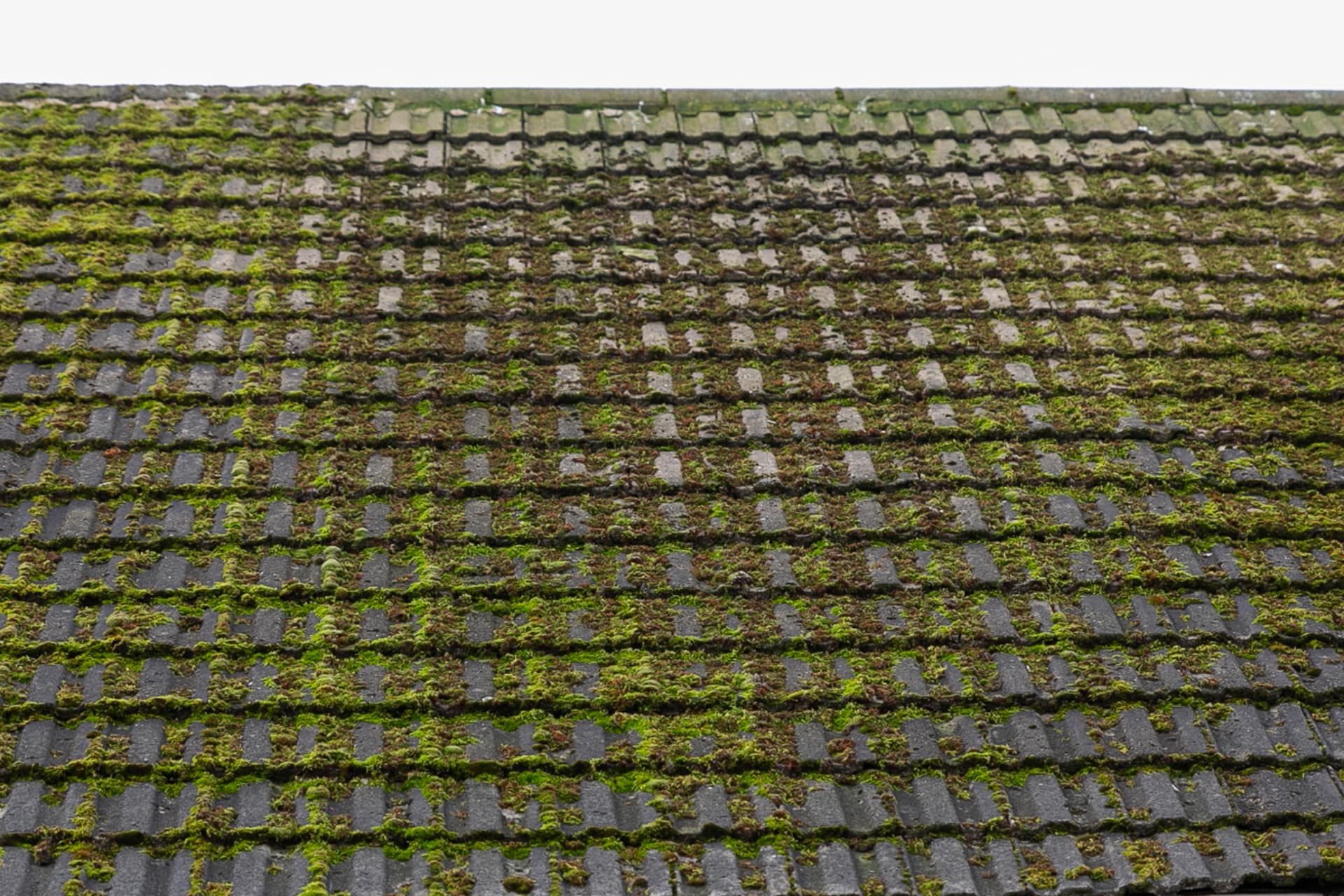
| Moss removal | Growth blasted off at speed, with the water doing the mechanical work. | Moss lifted using scraping tools matched to the tile profile, so the tool follows the tile. |
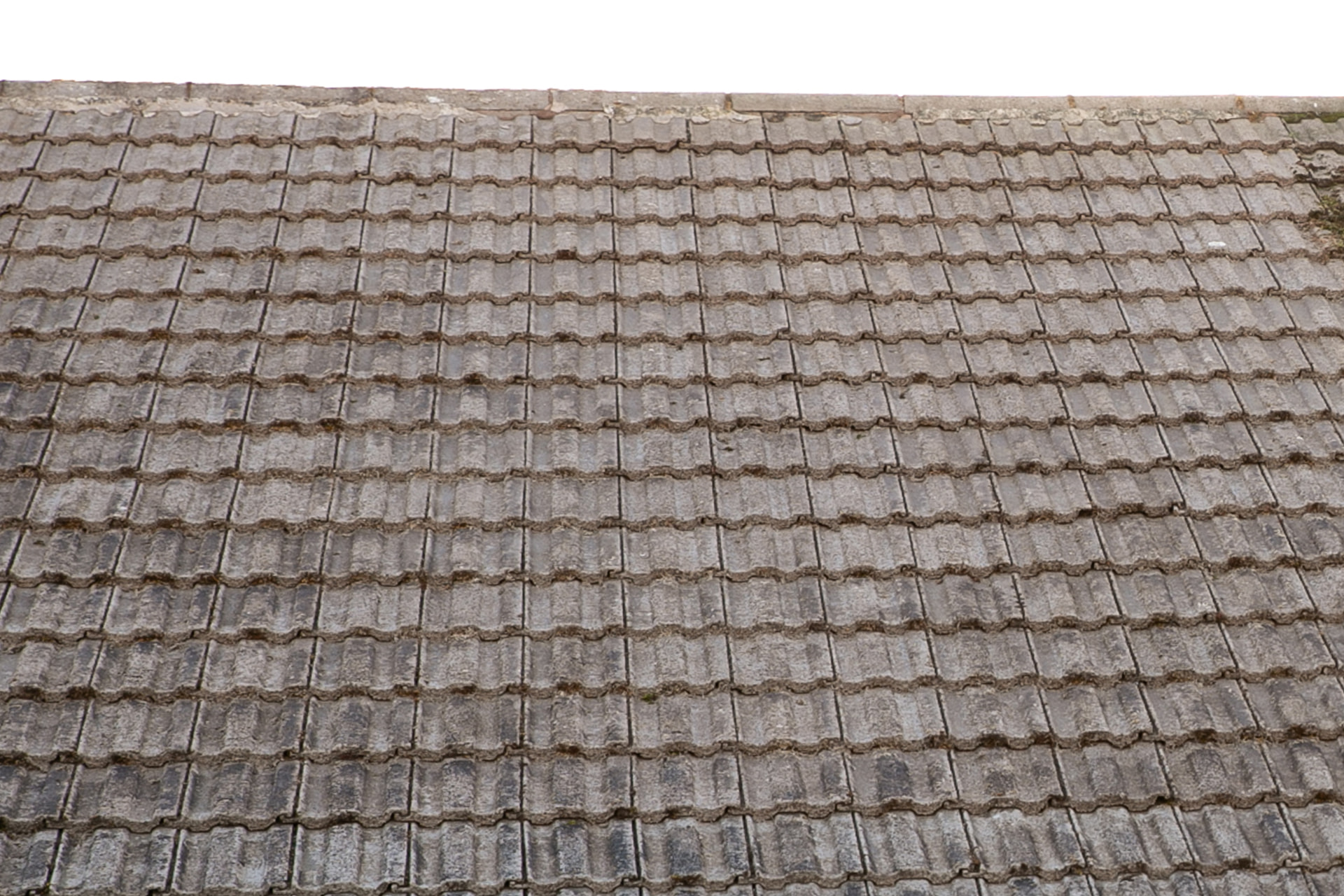
| Treatment | Often none — the roof looks clean on the day and regrows from what is left behind. | Sodium hypochlorite and biocide applied as part of the process, continuing to work after the visit. |
| Vulnerable details | Flashings, mortar, ridges and penetrations treated the same as sound tile. | Junctions, flashings and older mortar approached with more care, or left alone. |
| Debris | Moss driven down the pitch and into gutters, downpipes and drains. | Debris cleared from the roof, gutters and downpipes before leaving site. |
| Afterwards | No plan beyond the clean itself. | Maintenance discussed, with a treatment top-up for suitable roofs rather than another heavy clean. |
Plenty of good companies work carefully, and this is not a claim that Sovereign is the only one. It is a description of what careful looks like, so you can recognise it when you are comparing quotes.
Why Sovereign doesn't rely on high-pressure roof washing
The objective isn't simply to make a roof look clean today. It's to clean and treat it while taking the condition and construction of the roof into account.
Rob has over 20 years' experience working at height and has been trading as Sovereign since 2019. That means a lot of roofs looked at closely — and a fair number where the right advice was that cleaning was not the answer at all.
The approach on a roof clean is consistent:
- The roof and its condition are inspected before anything is quoted
- Moss is removed using scraping tools matched to the tile profile
- Sodium hypochlorite and biocide are applied as part of the cleaning process to slow regrowth
- Debris is cleared from the roof, gutters and downpipes
- Obvious defects such as a cracked or slipped tile are pointed out rather than left unmentioned
- Where the honest answer is a roofer rather than a cleaner, you are told plainly
Qualifying roof cleaning and treatment work also carries Sovereign's 2-year moss regrowth guarantee, and suitable roofs can be kept on top of afterwards with a treatment top-up rather than another heavy clean.
Pressure washing and roof damage: common questions
Where to go next
Roof cleaning
How a full roof clean and treatment is carried out.
Roof moss removal
Heavy moss lifted from tiles and slates, then treated.
Roof Care & offers
The 2-year guarantee, treatment top-ups and current discounts.
Soft washing
Low-pressure cleaning for surfaces that should not be blasted.
Gutter cleaning
Clearing what comes off the roof and out of the rainwater system.
Request a roof assessment
Send the address and a photo from the ground for a straight answer.
Guide: can roof tiles be pressure washed? · How to stop moss coming back on a roof · Does moss damage roof tiles?
Not sure whether your roof should be cleaned at all?
Send the address and a photograph from the ground. Rob will tell you what is worth doing, what is not, and what it would cost.